
The Making of an Artist
Narcissus and GoldmundGoldmund discovers sculpture as a way to give durable form to fleeting experience, then tests whether artistic discipline can coexist with his need for freedom.
increasing Bearing strength in each event
 decreasing
Bearing strength in each eventdecreasingThe Madonna as Direction
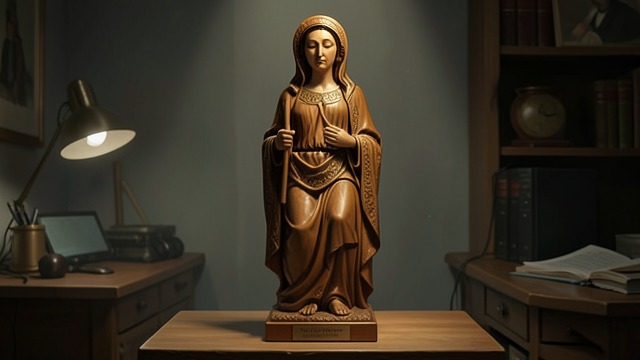
The Madonna as Direction
A Work That Arrests Him
A wooden Madonna by Master Niklaus gives visible form to suffering and beauty at once. Goldmund recognizes in it something he has sensed but could not yet create.
A New Destination
He abandons casual wandering long enough to seek the sculptor. Art becomes a goal grounded in his accumulated perceptions, not a vocation imposed by his father.
A Place in the Workshop
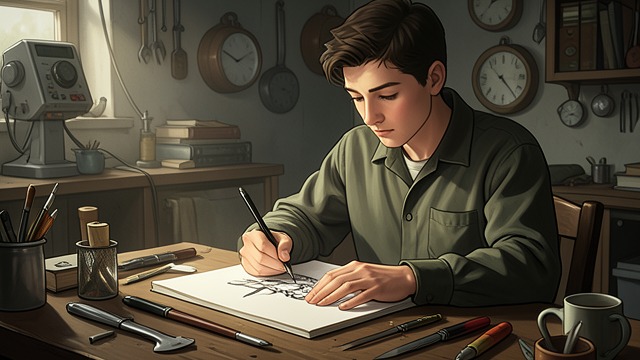
A Place in the Workshop
Testing the Applicant
Niklaus asks Goldmund to draw rather than trusting his eloquent account of art. Goldmund draws Narcissus, revealing an instinct for capturing the inner character of a person.
An Unusual Arrangement
Too old for ordinary apprenticeship, Goldmund is nevertheless allowed to learn in the workshop without a binding contract. The arrangement preserves the freedom that conventional guild training would restrict.
The Saint John Emerges
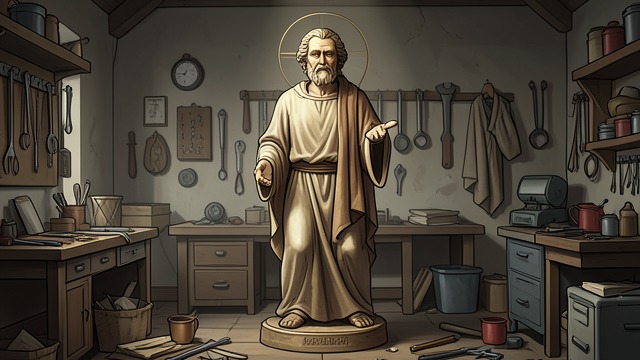
The Saint John Emerges
A Friend in Wood
Goldmund carves Narcissus as Saint John, working only when he can give himself fully to the task. The image makes his friendship tangible and preserves a formative inner vision.
Recognition and Loss
Niklaus praises the completed statue as unusually truthful and worthy of master status. Goldmund feels the familiar emptiness that comes when a work leaves its maker.
Refusing the Settled Future
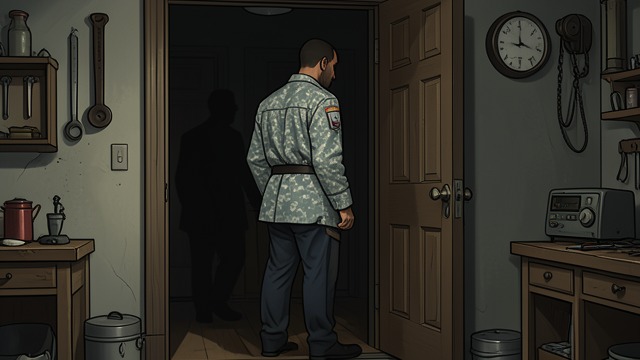
Refusing the Settled Future
Security Offered
Niklaus proposes a prosperous partnership and imagines Goldmund joining the household through marriage to Lisbeth. The offer promises status, steady work, and a protected future.
Freedom Chosen
Goldmund refuses because he needs further experience before attempting his deepest artistic image. The rupture costs him a workshop and a mentor, but keeps his life open to discovery.
Art as a Form of Memory
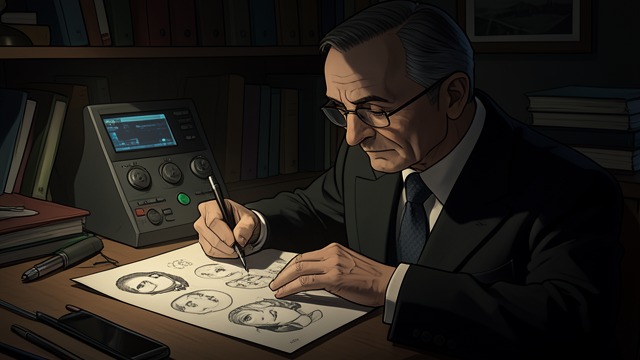
Art as a Form of Memory
Images from Catastrophe
With Niklaus dead and the workshop closed, Goldmund draws the faces and scenes he has carried through the plague. Making images relieves the pressure of experiences that ordinary speech cannot contain.
The Artist’s Purpose
His work begins to preserve particular lives without pretending to stop mortality. The pictures transform a broken history into something another person can encounter.
After Goldmund’s confession at a roadside cloister
The day Goldmund presents himself to Master Niklaus
After Goldmund has worked in Niklaus’s workshop for about a year
Soon after Niklaus offers Goldmund a partnership
During Goldmund’s return to the bishop’s city after the plague
